Hang Art Just Right

Arvind Singh
| 07-08-2026
 · Lifestyle Team
Hi, Readers! Hanging wall art can feel like trying to park a shopping cart with one wonky wheel.
Too high, and the piece looks like it is escaping to the ceiling. Too low, and it feels like it missed the memo.
The good news is that there is a simple golden line that makes things look balanced fast: place the center of the artwork at about 57 to 60 inches from the floor. That range is often treated as eye level, and it is the classic starting point designers use to make a wall feel calm, tidy, and easy on the eyes.
This rule works especially well for single pieces hung on open walls. If you have one framed print, one photo, or one statement piece, measure the total height of the art, divide that number by two, and place that center point in the 57 to 60 inch zone. Then measure from the top of the frame to the hanging hardware, and subtract that amount so you know exactly where the hook should go. It sounds a little mathy, but it is really more like following a recipe than solving a puzzle.
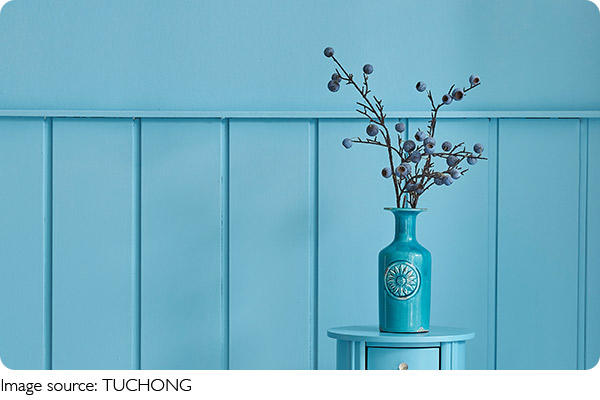
Why the golden line works
The reason this height feels right is simple: people naturally look straight ahead, not toward the ceiling. When artwork is centered around eye level, it becomes part of the room instead of looking stranded in empty wall space. Museums and galleries often use a similar principle, which is why their walls usually feel polished without trying too hard. It is not magic, just smart placement.
That said, eye level is not a rigid law carved in stone. If everyone in your home is especially tall or the ceilings are unusually low, you can nudge the height a little. The goal is balance. The artwork should feel connected to the furniture, the wall, and the way the room is actually used.
What changes above furniture
Things shift when you hang art over a sofa, console, bed, or fireplace. In those spots, the artwork should relate to the furniture below it instead of floating according to the general wall rule alone. A common guideline is to leave about 6 to 12 inches between the bottom of the frame and the top of the furniture. That gap keeps the two elements visually linked, like good neighbors who actually talk to each other.
Size matters here too. Art over furniture should usually be around two-thirds to three-quarters the width of the piece below it. If the artwork is too small, the wall can look awkward and underdressed. If it is too large, the setup may feel crowded. The goal is for the art and furniture to look like a team, not strangers stuck in the same room.
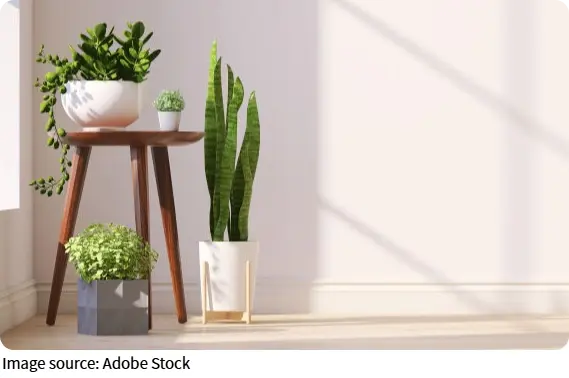
How to handle groupings
If you are hanging several pieces together, treat the whole arrangement as one large unit. Instead of centering each frame separately, look at the group’s full height and width, then place the center of that entire composition at about 57 to 60 inches from the floor. This keeps gallery walls from turning into visual popcorn.
Spacing between frames should stay fairly consistent. Many decorators like 2 to 5 inches between pieces, depending on the size of the frames and the wall. Before making holes, lay everything out on the floor or tape paper templates to the wall. That step can save you from the classic hang, squint, sigh, redo routine.
When to bend the rule
Some spaces naturally call for adjustment. In hallways, stairways, or rooms where people are often seated, you may want to tweak the height so the art feels comfortable from that viewing angle. Large walls with tall ceilings can also tempt people to hang art too high just to fill space, but that usually makes the room feel disconnected. If you need more presence, go bigger with the art or add more pieces rather than sending one lonely frame upward.
In the end, the golden line is a starting point, not a strict command. Begin with the center at 57 to 60 inches, check the relationship to nearby furniture, and adjust for the room’s shape and function. Your walls should feel easy to look at, not like a treasure hunt. If you are about to hang a piece today, grab a tape measure first and let that golden line do the heavy lifting.