Table Setting Tips That Wow

Pardeep Singh
| 05-08-2026
 · Lifestyle Team
Hi, Friends! You know that feeling when you sit down at a beautifully set table and suddenly feel like you're in a five-star restaurant, even though you're just having soup at home?
Yeah, that's the magic of a good table setup. And the best part? You don't need a degree in hospitality to pull it off. Think of a well-set table like a first impression, it speaks before the food even shows up.
Start with the Basics
Before anything fancy, let's get the fundamentals right. A serving plate goes right in the center of each place setting, the napkin sits to the left of the plate, and the fork rests on top of the napkin. Simple, clean, done. For a basic everyday setup, the dinner fork goes on top of a folded napkin to the left of the plate, the dinner blade goes to the right, and the water glass sits directly above the blade. Think of it like parking a car, everything has its designated spot, and chaos ensues when you ignore it.
The golden rule of table setting is this: utensils are placed in the order of use, working from the outside in, and forks go to the left of the plate while blades and spoons go to the right. That's basically your table-setting cheat code right there.
Level Up to a Casual Setting
Hosting friends for a weekend dinner? A casual setup is your sweet spot, fancy enough to impress but relaxed enough that no one feels like they're at a job interview. Swap paper napkins for cloth ones placed under the fork, add a soup spoon to the right of the blade, and if needed, throw in a salad fork to the left of the dinner fork.
Arrange a blade and spoon to the right of the dinner plate, with the blade set closest to the dish, edge pointing in, and the spoon on the other side.
Set a water glass above and slightly to the right of the plate, kind of like where 1:00 sits on a watch. It sounds fussy, but once you do it a couple of times, it becomes second nature, like remembering to put the toilet seat down.
Go Full Formal When the Moment Calls
Special gathering? Time to bring out your best pieces. A formal table setting starts with a high-quality tablecloth or runner. Use heirloom dishes and high-quality silver flatware, add a bread plate and small butter spreader above the forks, and place a dessert fork and spoon above the main plate.
Dessert utensils can be brought out with dessert or set above the setting for the entire meal. If set early, the fork's handle points toward the left, with the spoon sitting above it, handle facing right. It's like a little utensil dance, everyone has choreography to follow.
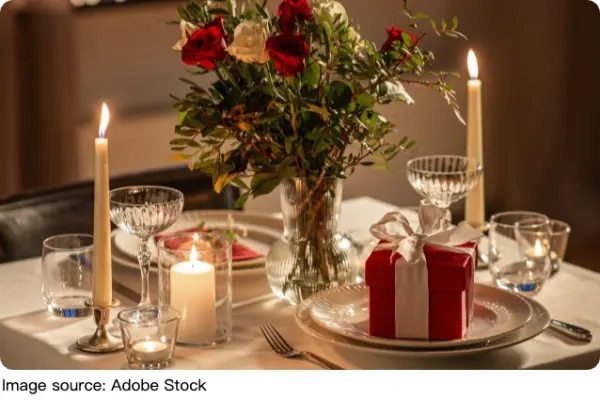
For formal table decor, think candles in metallic or colored glass holders, sparkling ornaments arranged in crystal bowls, or artful floral arrangements with seasonal blooms. Basically, the table should look like it belongs on a magazine cover.
The Centerpiece: Less Is More
A centerpiece ties the whole table together, but please, don't build a skyscraper out of flowers and block everyone's view of each other. Place candles and flowers in the center of the table, go for unscented options to avoid messing with the aroma of the food, and keep flower arrangements low so they don't become a distraction.
Sticking to white, gray, beige, or black dinnerware gives you the freedom to choose any color scheme for any occasion, and using neutral dishes as a blank canvas lets you set the tone for any gathering. It's the little black dress principle applied to your dinner table.
Create a captivating centerpiece using fresh flowers or elegant candle arrangements that complement the theme or season, and add small touches like napkins or name cards to make guests feel special and appreciated.
Only Set What You'll Actually Use
Here's a tip that'll save you from unnecessary confusion: only set the table with utensils you will actually use. Not serving soup? Then no soup spoon needed. Setting out twelve pieces of silverware for a two-course meal is like wearing a tuxedo to a backyard barbecue. Impressive, but wildly unnecessary.
Table setting is a combination of form and function and should align with what dishes you serve and how you serve them. The setting signals to guests what's coming, whether it's a multi-course meal where people are expected to take their time, or a casual and probably shorter experience.
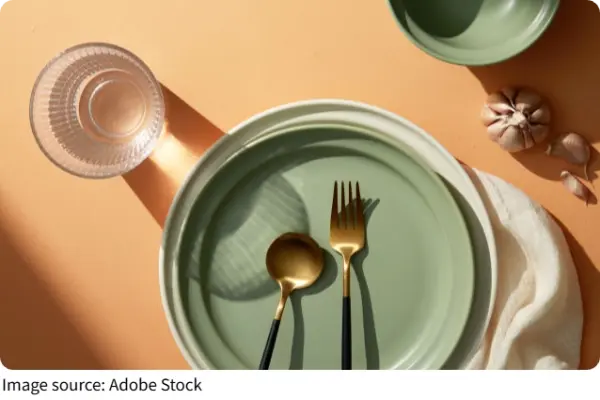
At the end of the day, a well-arranged table is your silent way of telling your guests, "Hey, I care about this meal and about you." Whether it's a Tuesday night dinner or a big celebration, putting even a little effort into how the table looks transforms the whole experience. So go ahead, fold that napkin nicely, light a candle, and enjoy the moment. Your table is waiting, Lykkers!