Perfect Pet Home

Liam Reilly
| 05-12-2025
 · Animal Team
Have you ever watched a bird pacing endlessly in its cage or a small mammal struggling to move around in a cramped space? It's a clear sign that their home isn't quite right.
Picking the right cage or habitat for your pet isn't just about looks—it directly affects their health, happiness, and behavior. Let's explore how to make the best choice for your furry, feathered, or scaly friend.
Consider the Size
The first step is making sure your pet has enough room to move freely. For birds, the cage should allow full wing extension and some flight or hopping space. Small mammals like hamsters or guinea rodents need enough floor space for running, climbing, and exploring. Reptiles require enclosures that fit their length and height, with enough room for heat gradients, hiding spots, and movement. Crowding can lead to stress, aggression, or health problems, so bigger is almost always better.
Think About Material and Durability
Not all cages or habitats are created equal. Wire cages are great for ventilation but should have spacing that prevents escapes or injuries. Glass terrariums offer good visibility for reptiles but need secure lids and proper ventilation. Plastic or acrylic cages can be lightweight but may not withstand chewing pets. The key is to balance durability, safety, and ease of cleaning. Rust-resistant metals and sturdy plastics are usually the safest bets.
Ease of Cleaning
A habitat that's easy to clean is essential for your pet's health. Removable trays, accessible doors, and smooth surfaces make routine cleaning faster and more effective. For birds, daily removal of droppings and food debris prevents illness. Small mammals benefit from weekly deep cleans, while reptiles often require spot cleaning of waste and full substrate changes periodically. Think about your own habits too—if a cage is too complicated to clean, it might lead to neglect or unhygienic conditions.
Temperature and Humidity Needs
Different pets have different environmental requirements. Tropical reptiles need heat lamps and humidity control, while desert species require dry heat and sand substrate. Birds need stable temperatures and protection from drafts, and some small mammals are sensitive to cold or overheating. Make sure the habitat allows you to regulate temperature, humidity, and light as needed for the species. Proper conditions reduce stress and prevent illnesses related to temperature extremes.
Accessibility and Interaction
Pets benefit from interaction and stimulation, so choose a cage or habitat that allows you to reach in easily. Large doors, removable tops, or extendable sections make it easier to feed, handle, or play with your pet. Birds especially enjoy perches or ladders that let them climb closer to you. For mammals, tunnels, shelves, and hiding spots encourage natural behaviors while keeping them comfortable and secure. Accessibility also simplifies maintenance, reducing stress for both you and your pet.
Enrichment and Safety Features
A suitable habitat includes space for toys, climbing structures, or hiding spots. For birds, swings, ladders, and chew toys are crucial for mental stimulation. Small mammals like rabbits and guinea rodents thrive with tunnels, chew blocks, and nesting materials. Reptiles enjoy rocks, branches, and shelters for hiding. Safety is paramount—avoid sharp edges, toxic materials, or gaps that could trap your pet. Creating an engaging and secure environment keeps pets active and reduces boredom-related behaviors.
Final Thoughts: Happy Homes Make Healthy Pets
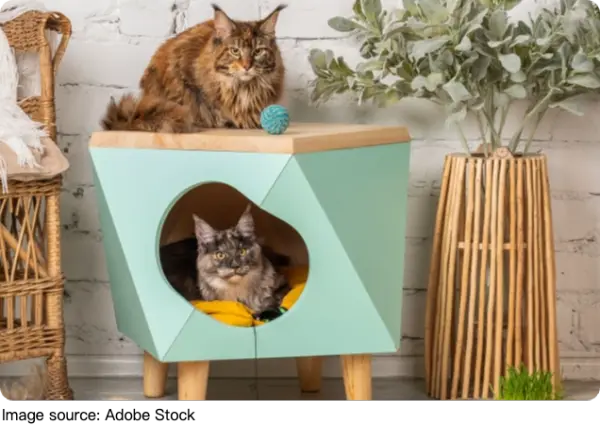
Choosing the right cage or habitat goes beyond aesthetics. It's about giving your pet the space, comfort, and stimulation they need to thrive. Observing your pet's behavior can guide improvements—if they pace, hide, or seem stressed, it may be time to upgrade their living space. Investing time and thought into the perfect habitat is one of the most rewarding things you can do as a pet owner. A well-designed home leads to happier, healthier, and more interactive companions, making your bond stronger and your pet's life richer.